Victorian terrace move in NW1 -- challenge and outcome
Posted on 05/07/2026
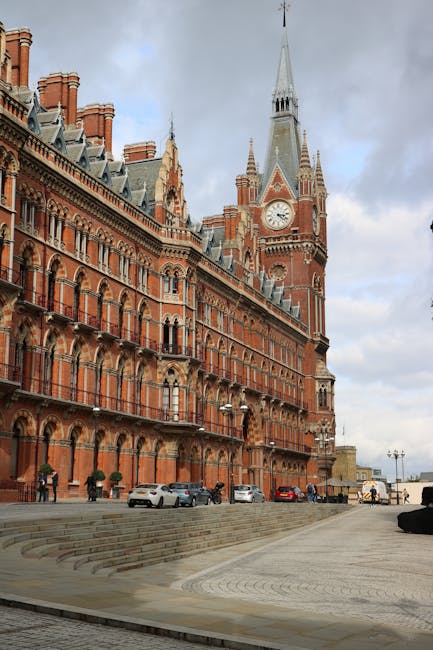
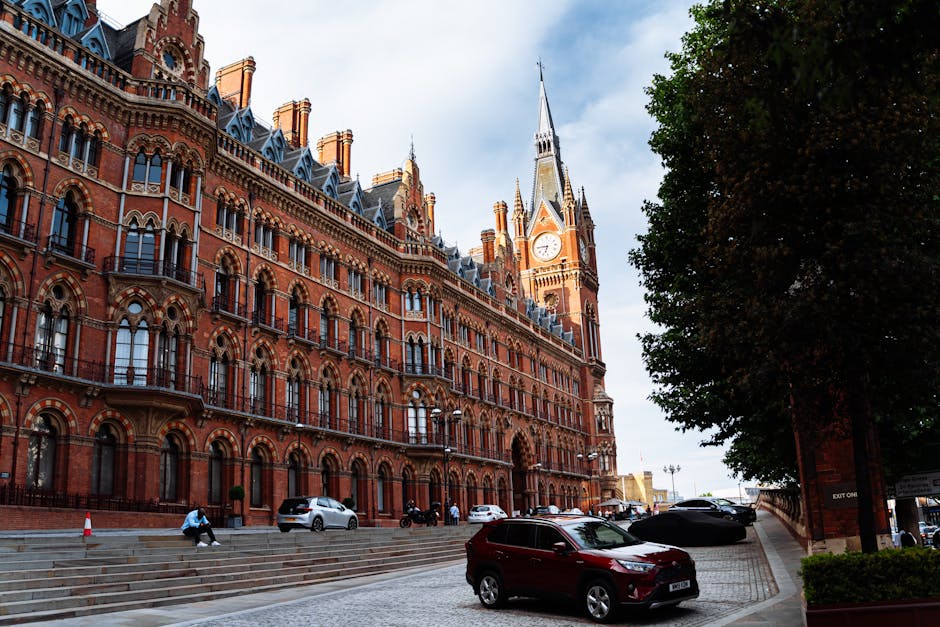
Moving into a Victorian terrace in NW1 sounds charming on paper: tall sash windows, period details, and that classic London street feel. Then the practical reality shows up. Narrow stairs, awkward landings, tight front access, parking pressure, and furniture that looked perfectly manageable in the old place suddenly feels twice the size. A Victorian terrace move in NW1 -- challenge and outcome is often less about brute force and more about planning, patience, and using the right moving method for the property.
This guide breaks down what makes these moves tricky, what usually goes wrong, and how to turn a stressful day into a clean outcome. You will also find a step-by-step approach, a comparison of options, a useful checklist, and a realistic case-style example from the sort of move many people face around St Pancras and the wider NW1 area. Let's face it, a lovely terrace can be a moving-day puzzle. But it is a solvable one.
Why Victorian terrace move in NW1 -- challenge and outcome Matters
NW1 has a lot of period housing stock, and Victorian terraces are among the most characterful. They are also among the most demanding to move into or out of. The challenge is not one single issue; it is the combination of several small ones. Stairs are often steep. Hallways can be narrow. Front doors may open directly into a tight passage. And older properties usually were never designed for modern oversized sofas, king beds, exercise equipment, or that giant fridge-freezer that seemed like a great idea in the showroom.
What makes this important is the outcome. A well-handled move protects walls, bannisters, flooring, and the furniture itself. A poor one creates delays, damage, and a sour start in the new home. For people moving in NW1, the difference between a smooth day and a miserable one often comes down to preparation, realistic loading plans, and knowing which items need extra handling. If you have already been thinking about what to let go before the move, a guide like decluttering before a big move can save a surprising amount of time and pressure.
There is also a local angle. NW1 streets can be busy, parking is not always kind, and timing matters. Even a short move can become long if the van cannot stop close enough to the property. That is why the challenge-and-outcome framing matters: you are not just moving boxes, you are managing access, risk, time, and momentum all at once.
How Victorian terrace move in NW1 -- challenge and outcome Works
The move usually works best when it is treated as a sequence, not a single event. First comes the property assessment. Then the access plan. Then the packing and protection work. Only after that should the lifting and loading begin. That sounds obvious, but in practice many people start with the most visible task and skip the boring bits. That is usually where the trouble begins.
In a Victorian terrace, the key question is simple: how will each item get from point A to point B without causing damage or exhausting everyone involved? Sometimes the answer is straightforward. Sometimes it is not. A wardrobe may need partial dismantling. A mattress may need a second person to guide it around a landing. A piano, frankly, may need specialist handling rather than optimism. For more on that, piano moving complexities are worth understanding before anyone tries to "just give it a go".
The outcome is shaped by a few practical decisions:
- Whether the furniture is measured properly in advance
- Whether the route from room to van is clear
- Whether fragile surfaces are protected before lifting starts
- Whether parking and timing are arranged around local access realities
- Whether the team has enough people for heavier pieces
In other words, the move is not about force. It is about reducing friction. That is the whole game.
Key Benefits and Practical Advantages
When a Victorian terrace move is properly planned, the benefits are bigger than simply "getting it done". The whole experience becomes more controlled, and honestly, a lot less dramatic.
1. Less damage to the property
Period homes can show scuffs and dents quickly. A sofa corner against a painted wall, a box dragged over timber flooring, a bed frame catching on a stair turn - these are the everyday risks. With the right order of work, those risks drop noticeably.
2. Better use of time
It is quicker to spend 20 minutes measuring and protecting than to spend two hours wrestling a wardrobe through a staircase that was never going to cooperate. Moving day becomes more efficient when the route is mapped beforehand.
3. Safer handling of heavy furniture
Trying to do too much alone is where injuries happen. If something is bulky or awkward, it is usually better to use proper moving support or at least a second pair of hands. The article on lifting heavy loads more safely is useful reading if you are tempted to improvise.
4. Lower stress
Truth be told, a lot of moving stress is just uncertainty. Once you know what fits, what needs dismantling, and what goes first, the anxiety drops. Not all of it. But enough.
5. Cleaner outcome for the new home
Victorian terraces often reward careful packing and disciplined unpacking. The rooms look tidier faster, furniture ends up where it should, and you avoid that nasty mid-move pile-up in the hallway.
Expert summary: The winning formula for an NW1 terrace move is simple enough, even if the day itself is not: measure early, protect well, lift safely, and plan access as carefully as the packing.
Who This Is For and When It Makes Sense
This kind of move makes sense for anyone dealing with a period terrace in NW1, but it is especially relevant if you are moving one or more of the following:
- Large furniture with awkward dimensions
- Fragile items such as mirrors, glass tables, or artwork
- Heavy pieces like beds, wardrobes, or pianos
- Household appliances that need careful disconnecting and transit
- Collections of boxed belongings that must stay organised
It is also a good fit if you have limited time on the day, if access is tight, or if you are moving during a busy local period when parking and loading windows matter. That is common in NW1, especially around streets where every minute of kerbside space feels like a small victory.
If the move is linked to a student tenancy, you may also find it useful to look at student move-out tips near St Pancras. Different context, same lesson: early planning keeps the day from running away from you.
For landlords, homeowners, and tenants alike, this approach also makes sense when the goal is to finish without patching walls, replacing damaged furniture, or dealing with avoidable stress the following week.
Step-by-Step Guidance
Here is the approach that usually works best on the ground.
- Walk the route inside the property. Start at the item's current location and trace the route to the van. Look at turns, ceiling heights, radiators, door frames, and stair width.
- Measure the awkward items first. Sofas, beds, wardrobes, appliances, and anything with a fixed shape should be measured before moving day. A tape measure is boring, yes, but useful.
- Decide what must be dismantled. If a piece can be safely taken apart, do it in advance. Keep screws and fittings in labelled bags.
- Pack by room and by priority. Essentials go last into the van and first out at the new place. Non-essentials can be stacked earlier.
- Protect the route. Use covers for floors, bannisters, and corners where repeated contact is likely.
- Clear access outside. Make sure the loading point is known and feasible. If a vehicle cannot park close, the move gets slower very quickly.
- Load in the right order. Heavy, stable items first. Fragile and awkward items secured separately. No guessing at this stage.
- Check the final rooms. Before leaving, make sure nothing has been missed. Cupboards, loft spaces, under-bed storage, the lot.
A small aside: people always seem to discover one last lamp, one charger, or one very important document the moment the van door closes. Nearly always. So do a final sweep, then do another one. It helps.
Expert Tips for Better Results
These are the details that make a real difference.
Use furniture protection before the move starts
Wrapping sofas, mattresses, and table edges is not decorative busywork. It keeps dirt, damp, and scuffs off the items while they are being manoeuvred through tight spots. If you need help with long-term care for upholstered pieces, sofa storage advice has some useful practical ideas.
Plan for the bulky items first
It is tempting to begin with the easy boxes because they feel manageable. But bulky items usually determine the whole flow of the move. Once the large pieces are out, everything else becomes easier.
Use short carrying distances wherever possible
The shorter the carry, the lower the risk. If you can stage items near the door before loading, do it. Just keep pathways clear. A hallway full of half-packed boxes is not staging; it is a trip hazard with ambition.
Keep one person focused on the route
In more complex terrace moves, one person should be watching doors, corners, and stair turns rather than lifting. That simple division of labour saves a lot of awkward shouting.
Allow extra time for the final 10%
Moving day rarely ends when you think it should. The last few items, the final checks, and the clean-down always take longer than planned. Build that into the schedule from the start.
If furniture disposal is part of the process, read up before you dump anything. Camden waste rules for furniture disposal are the sort of thing that can save you a pointless headache later. Nobody needs an extra fine after a move. Nobody.
Common Mistakes to Avoid
Most moving mistakes are predictable. That is the frustrating part. The good news is they are also avoidable.
- Skipping measurements. "It should fit" is not a plan.
- Forcing oversized furniture. A tight stairwell is not going to become wider because you believe in yourself.
- Ignoring local access issues. Parking, loading, and timing matter as much as the boxes.
- Overpacking boxes. Heavy boxes are hard to carry and easy to drop.
- Leaving dismantling until the van arrives. That only creates delay and stress.
- Not labelling boxes clearly. It makes unloading and unpacking messy. Very messy.
- Attempting risky lifts alone. Especially on stairs or around corners.
One of the more common mistakes in older homes is treating the property like a modern open-plan space. Victorian terraces rarely give you that luxury. Rooms connect in narrow sequences, and furniture has to "negotiate" each step. A bit of patience goes a long way.
Tools, Resources and Recommendations
You do not need a warehouse of specialist gear, but a few practical tools can improve the outcome a lot.
| Tool or resource | Why it helps | Best used for |
|---|---|---|
| Tape measure | Checks whether furniture will clear doors, stairs, and landings | Large items and tight access points |
| Furniture blankets and covers | Protects surfaces from scuffs and grime | Sofas, tables, wardrobes, appliances |
| Labelled bags for fittings | Keeps screws and fixings together | Dismantled beds, shelving, wardrobes |
| Sturdy boxes | Reduces crushing and improves stackability | Books, kitchenware, mixed household items |
| Gloves and safe footwear | Better grip and protection during lifting | General handling throughout the day |
| Moving plan or room list | Stops items being misplaced or loaded out of order | Whole-property moves |
As for recommendations, keep them practical. Choose packaging that suits the item, not what happens to be lying around in the garage. For example, a mattress is better off handled using sensible mattress relocation techniques like those covered in bed and mattress moving tips rather than being folded, dragged, or bodged into a space it clearly does not fit.
For broader packing discipline, packing like a pro is a solid supporting read. It pairs nicely with terrace moves where control matters more than speed.
Law, Compliance, Standards, or Best Practice
For a residential move in NW1, the legal and compliance side is usually less about dramatic regulation and more about sensible, local best practice. Still, it matters. If you are loading from the street, parking and access need to be managed carefully. If you are disposing of furniture, do it through an appropriate route and follow local waste expectations. If the move involves blocking shared access or common areas, be considerate and plan around neighbours and building rules.
Health and safety should be taken seriously. Lifting heavy or awkward items without proper technique can cause injury, and that risk goes up on stairs. Professional moving teams are expected to use safe manual handling practices, and household movers should aim for the same standard, even if the move is smaller. If you want a deeper look at safe handling expectations, the page on health and safety policy is a useful reference point within the site.
Insurance is another sensible consideration. Accidents can happen even with good planning, and moving fragile or valuable items without adequate cover can turn a minor mishap into a costly one. The same goes for service terms. Know what is included, what is excluded, and what the process is if something goes wrong. It is boring to read that part, but quite wise.
Best practice also means honesty about limits. If a staircase is too narrow, a piano is too heavy, or access is too constrained for a normal carry, the correct answer may be specialist handling, storage, or an adjusted schedule. Good movers do not pretend every item can be solved by enthusiasm alone.
Options, Methods, or Comparison Table
Different approaches suit different Victorian terrace moves. Here is a straightforward comparison.
| Method | Best for | Strengths | Trade-offs |
|---|---|---|---|
| DIY move | Smaller homes, lighter furniture, very flexible schedules | Lower direct cost, full control | More physical effort, higher risk of damage or delays |
| Man and van | Medium-sized moves with a mix of boxes and furniture | Flexible, often cost-effective, good for short local routes | May need more planning for heavy or awkward items |
| Full removals service | Larger households, valuable items, tight access, time-sensitive moves | More support, less stress, better handling of bulky pieces | Usually the highest cost option |
| Partial assistance | Moves where only the hard parts need help | Balanced cost and support | Requires clear coordination on who handles what |
If you are comparing service styles, it helps to look at the actual service scope rather than just the headline price. hidden fees in removal quotes can make a cheap-looking option far less attractive once the details are added up.
For many NW1 terrace moves, a balanced method wins. Not too bare-bones, not overblown. Just the right amount of support for the property and the load.
Case Study or Real-World Example
Here is a realistic example based on the sort of job that happens often in NW1, without inventing anything extravagant. A family moving into a Victorian terrace had the usual mix: a three-seater sofa, a bed frame, several wardrobe sections, boxes of books, a dining table, and a freezer that had to be handled carefully. The front hallway was narrow, and the staircase turned sharply at the half landing. The van could not sit directly outside for long, so the team had to work within a short loading window.
The challenge was obvious from the outset. The sofa was the first problem item because it was longer than the hallway felt comfortable with. The bed frame required dismantling, and the wardrobe sections had to be carried one at a time. A quick room-by-room route check revealed that one turn upstairs would be tight unless the item was rotated before the landing. That small adjustment saved a lot of pushing and re-trying. Tiny detail, big difference.
The outcome was good because the move was treated as a sequence rather than a scramble. Furniture was wrapped before being moved. Boxes were labelled by room. The freezer was handled separately. The loading order put the largest items in first, then the smaller items into any remaining gaps. By the end of the day, the house was set up without visible damage, and the family avoided the sort of tired, disorganised unpacking that can drag on for days.
There was one slightly funny moment, if you can call it that: the team found a stack of items hidden in a cupboard under the stairs that nobody had remembered. Classic. A spare lamp, a cable box, and some paperwork. Nothing serious, but it is exactly why a final sweep matters. Every time.
Practical Checklist
Use this checklist to keep the move on track.
- Measure sofas, beds, wardrobes, and appliances
- Check stair turns, door widths, and hallway clearance
- Decide which furniture must be dismantled
- Label bags for screws, brackets, and fittings
- Pack room by room, not randomly
- Wrap fragile surfaces before moving day
- Prepare a clean route from each room to the front door
- Arrange access and loading space in advance
- Keep essential items separate and easy to reach
- Confirm how heavy or awkward pieces will be lifted
- Check cupboards, lofts, under stairs, and behind doors before leaving
- Review disposal or storage needs for unwanted items
If you need a broader reset before the day, stress-free house relocation strategies can help you shape the whole plan, not just the lifting part.
Quick takeaway: the best Victorian terrace moves are the ones where the hard work happens before the van arrives. Once the route is clear and the items are matched to the space, the day becomes much more manageable.
Conclusion
A Victorian terrace move in NW1 -- challenge and outcome is really a story about good judgement. The challenge is the property itself: the stairs, the access, the older layout, and the awkward furniture that never seems awkward until moving day. The outcome depends on whether you respect those constraints early enough to plan around them.
When the move is approached properly, the result is calm enough, even if the day still feels busy. You protect the building. You protect your belongings. You avoid unnecessary lifting, delays, and rework. And you settle into the new space without starting off on the wrong foot. That matters more than people sometimes admit.
Get a free quote today and see how much you can save.
Take your time, trust the measurements, and give the old terrace the respect it asks for. It usually pays you back with a far smoother landing.