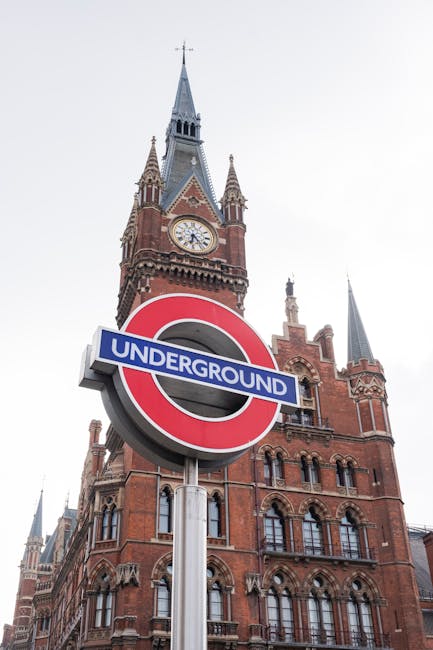
Man With Van in St Pancras

Man With Van St Pancras provides practical moving help for homes and businesses that need a straightforward transport service with careful loading, secure carrying and sensible route planning. The service is suited to people who want assistance with single items, smaller loads, room contents or time-sensitive delivery tasks, without booking a full-scale removal when that is not necessary. We focus on organised, respectful handling so that belongings are moved with attention to access, packing order and item protection.
Our work can support a wide range of moving needs, from furniture pick-up and household transport to office relocation support and delivery of bulky purchases. If the job involves stairs, narrow entrances, parking limits or awkward loading points, the aim is to keep the move efficient and calm. For a broader view of what we cover, see our man and van service and the related removals options, then decide which level of help best suits the load.
Some customers only need transport and loading help; others need a more guided move with wrapping, lifting and unloading at the destination. If you are comparing service types, the clearest starting point is to think about volume, item shape, access and timing. That usually determines whether a simple van move or a fuller removal arrangement is the better fit. When you are ready, you can ask for a quotation in plain terms and share the details that matter most.
Everyday moving help for different load sizes
Not every move needs the same amount of labour or vehicle space. A single sofa, a few white goods, boxed belongings from one room or a small flat’s contents may all be suitable for a man with van style service when the scope is kept clear from the outset. We can handle practical loading and unloading for jobs that benefit from direct, flexible support rather than a large crew or a fixed one-size-fits-all package.
That flexibility is especially useful when the collection and delivery points are simple but the items themselves are cumbersome. A narrow stairwell, a lift with limited room or a property with tight kerbside access can make even a modest move more demanding than it first appears. In those cases, customers often value a service that is focused on movement, protection and careful sequencing rather than unnecessary extras.
To make your enquiry easier to price, it helps to note the main item types, whether there are dismantled parts, and how many floors are involved. A photo set is useful when the load includes oversized furniture or unusually shaped pieces, and an inventory is helpful when several rooms are being cleared. You do not need to over-explain; concise, factual details usually give the best starting point for a quotation. Pricing and quotes can also help you understand how a move is typically assessed.
House moves and furniture transport

House moves handled with a van-based service often centre on manageable volumes, selected rooms, student contents or smaller households that still need careful handling. The practical work may include carrying boxes, moving beds and wardrobes, shifting appliances and loading mixed household items in a way that keeps heavier pieces stable. For customers who need a broader domestic move, our home moves and house removals pages describe the main moving categories in more detail.
Furniture transport needs particular care because many items are both bulky and vulnerable. Tables, chests, sofas and shelving can be awkward to manoeuvre, especially where corners, bannisters or thresholds create pressure points. A sensible approach is to secure loose components, protect surfaces and decide in advance whether a piece should be moved assembled or partially taken apart. Where the load is mainly furniture, the furniture pick-up option may be a useful fit for collection and delivery tasks.
For customers with a mixture of items, it is often better to group them by room or by handling type before the vehicle arrives. That makes it easier to load the heaviest pieces first, keep fragile belongings separate and reduce wasted movement. If you need more than transport alone, the packing and unpacking services page outlines how extra handling support can be combined with the move.
Office, commercial and local delivery work
Small business moves can be handled in a way that respects working hours, access limits and the need to keep equipment organised. The service may suit desks, chairs, storage units, archive boxes, point-of-sale items and packaged stock when the job is not large enough to call for a major relocation team. For a more detailed office-focused move, see our office removals page or the broader office relocation services information.
Commercial customers often need a move that fits around daily operations rather than interrupting them for longer than necessary. That means knowing which items require special handling, whether any devices need to remain upright and whether there are timing restrictions at either end of the job. If you are comparing vehicle formats or thinking about a slightly larger load, the commercial moves page may also help you decide what kind of support is appropriate.
Where the task is closer to a direct delivery than a relocation, a van service can still be the right choice if the items are bulky, delicate or awkward to move in a standard car. The work may include collection from a supplier, transfer between premises or delivery of items bought privately. For general enquiries, you can ask for a quotation, compare scope and choose the service level that fits the load.
How the moving process is usually organised
Most jobs run more smoothly when the main practical points are settled before the vehicle arrives. The key questions are simple: what needs moving, where it is going, how much lifting is involved and whether there are access issues at either end. Those answers shape the amount of time needed, the size of vehicle that suits the job and any loading equipment that may be helpful on the day.
It also helps to know whether the items are ready to go or whether they still need wrapping, boxing or dismantling. Customers can make the process easier by setting aside what is definitely moving, separating items that are staying behind and keeping essential documents or valuables with them. A tidy plan is often more valuable than a long description. If you want to compare related support, the man with a van and moving van pages offer useful service references.
When a quotation is being prepared, clear facts are usually better than broad estimates. A list of large items, the number of floors, any narrow access points and the approximate distance between vehicle and entrance all matter. If anything is unusually heavy, fragile or difficult to carry, mention it early so that the move can be priced on a realistic basis. That helps avoid confusion and supports a more orderly collection or delivery.
What can be moved safely and sensibly

A reliable man with van service should be organised around practical handling rather than guesswork. That means understanding which items can travel together, which require cushioning and which may need to be separated to reduce damage risk. Typical loads may include furniture, boxed household contents, office items, appliances and mixed belongings that can be secured properly inside a van. For broader removal transport, our removal services and movers pages give further context.
Some items are straightforward but still benefit from careful attention. Mirrors, lamps, glass-topped tables and framed pictures can often be moved safely when wrapped and loaded in an upright position. Other items, such as washing machines, wardrobes or compact gym equipment, need the right order of loading and a clear path to the vehicle. The aim is not simply to carry everything, but to carry it in the safest practical way for the shape and weight of the load.
Where a job includes mixed belongings, the best result usually comes from keeping fragile, heavy and loose items separated. A simple loading plan can prevent boxes being crushed and helps the destination unloading go more quickly. If your move is more extensive than a single van load, it may be worth comparing the removal company and removal companies pages to see how broader services are described.
Protecting items and making access easier
Protection begins before anything reaches the vehicle. Blankets, wrapping materials and sensible stacking are useful when the load contains surfaces that could scratch or chip. Wardrobes, sideboards and tables may also need parts secured so that drawers, doors or legs do not shift while in transit. A careful loading plan is part of the service because it helps reduce strain on both the items and the people moving them.
Access matters just as much as packing. If parking is limited, if a building entrance is shared with other users or if the carry distance is longer than usual, the move may need a little more time and planning. That does not make the job difficult by itself, but it does affect how it is organised. The pages for man and van removals and man with van removal can help customers compare related moving descriptions.
One useful approach is to keep the route from property to vehicle as clear as possible. That may mean parking paperwork is ready, boxes are stacked sensibly and larger items are separated from loose small goods. It also helps to decide in advance which pieces should be carried first, especially if the destination has limited space or timed access. These simple choices can make the whole move calmer and more predictable.
Area profile: St Pancras

St Pancras is a district in north-central London best known for the station and the wider railway landscape that helped shape its identity in the nineteenth century. The area sits within the London Borough of Camden and is closely associated with Kings Cross to the east and Bloomsbury and Euston to the south and west. Its transport importance is visible in the rail and Underground connections, but the place also has a distinct architectural character formed by civic buildings, terraces, converted railway structures and newer redevelopment. The grand Gothic Revival frontage of St Pancras station, designed by George Gilbert Scott, remains one of the most recognisable landmarks in the capital, while the nearby Midland Grand Hotel is a celebrated example of Victorian railway architecture. The district also contains a mix of streets, squares and public spaces that reflect different phases of London’s growth, from older residential fabric to later commercial and institutional development. The area’s name is linked historically to the parish and church of St Pancras Old Church, one of the oldest Christian sites in London, with origins that reach back many centuries. Over time, the neighbourhood became tied to rail transport, industry, housing reform and urban renewal, and those layers are still visible in its streetscape. Today, the area’s character is shaped by movement: trains, buses, foot traffic, academic life, workplace activity and the constant passage of people between stations, libraries, hotels, offices and homes. That combination gives St Pancras a strongly urban atmosphere with both historical depth and contemporary energy.
Smaller jobs, single items and short-distance moves
Not every customer needs a full household move. Some simply need one or two items collected from a shop, auction, storage unit, landlord or private seller. Others need a bed moved to another address, a washing machine transferred after delivery or a set of boxes taken across town. For those jobs, a van-based service can be a practical middle ground between doing it alone and arranging a larger removal package.
Short-distance work still benefits from the same careful planning as a bigger move. The items need to be checked, measured where necessary and loaded in the right order. Even a brief journey can be awkward if the load includes awkward shapes, items with glass, or pieces that cannot be stacked safely. If you are unsure which service fits best, the removal van and removals van pages provide useful service comparisons without overcomplicating the choice.
For many customers, the main advantage is simplicity. There is no need to overstate the scale of the work when the task is straightforward, but it still deserves a proper quotation and a sensible plan. A brief description of the items, where they are coming from and where they need to go is usually enough to begin. From there, the next step is often simply to book the transport that matches the load.
Planning, packaging and item preparation
If belongings are boxed in advance, labelled clearly and grouped by room or purpose, loading becomes much more organised. That does not mean every job needs professional packing from start to finish. Often the best arrangement is a blend of customer preparation and moving support, especially when the items are already partly ready. For fuller preparation help, the packing and unpacking services page explains how additional handling can support the move.
Where dismantling is needed, it is useful to keep fittings, screws and small parts together in one clearly marked bag or container. That simple step can save time at the destination and reduce the chance of missing pieces. Likewise, it helps when boxes are not overfilled and when fragile items are identified in advance rather than discovered at the vehicle. These are small details, but they often make the transport itself much smoother.
We also recommend thinking about what should travel separately from the main load. Passports, bank cards, medicines, keys and other essential personal items are usually better kept with the customer rather than placed in the van. The same applies to anything that may be needed immediately on arrival. A tidy plan for the essentials means the move can focus on the larger items without unnecessary interruption.
Why customers ask for a van-based move

A man with van service is often chosen because it sits neatly between self-move convenience and a full removal operation. It can be suitable when the load is not large enough to need a large team, yet still too bulky, heavy or awkward for a standard vehicle. That balance makes it useful for private households, landlords, small businesses, students and anyone arranging a one-off transport task with limited time.
Another reason customers use this kind of service is control. They can decide exactly what is moving, how it is grouped and when it needs to arrive, while still getting help with lifting and transport. The service can be adapted to the scale of the job instead of forcing the job to fit a fixed package. If your move has a broader scope, the house movers and house removalists pages may be worth comparing.
Requesting a quotation is straightforward: list the items, say where they are collected from and delivered to, and mention anything that affects access or handling. If you are ready to move ahead, send the details and ask for a quote. If you are still choosing between options, a short comparison of service pages can help you decide what level of support is most appropriate before you book.