Eco-friendly furniture disposal in Camden: reuse options that actually make sense
If you're trying to clear out a sofa, a wardrobe, or a few bulky bits in Camden, the greenest choice is not always the quickest one. Eco-friendly furniture disposal in Camden: reuse options are often the smartest route because they keep usable items in circulation, reduce waste, and usually take a bit of pressure off your move or clear-out day. Truth be told, it can feel like a faff at first. But once you know what can be reused, what should be repaired, and what really needs recycling, the process becomes much more manageable.
This guide walks you through the practical side of it: how reuse works, when it makes sense, where the common traps are, and how to choose the best option for your furniture without overcomplicating things.
You'll also find local-minded tips that fit the reality of Camden living - tight stairwells, busy streets, awkward lift access, and the usual "where on earth does this go?" moment that comes with every flat clear-out.
One thing first: furniture disposal does not have to mean throwing things away.
Table of Contents
- Why eco-friendly furniture disposal in Camden matters
- How reuse-led furniture disposal works
- Key benefits and practical advantages
- Who this is for and when it makes sense
- Step-by-step guidance
- Expert tips for better results
- Common mistakes to avoid
- Tools, resources and recommendations
- Law, compliance, standards, or best practice
- Options, methods, or comparison table
- Case study or real-world example
- Practical checklist
- Conclusion
- Frequently asked questions
Why Eco-friendly furniture disposal in Camden: reuse options Matters
Furniture is bulky, awkward, and expensive to move around for no good reason. When a table, bed frame, or chest of drawers still has useful life left in it, reuse is usually the best first question to ask. In Camden, where homes range from compact flats to older buildings with narrow stairs and limited storage, that matters even more. A reused item avoids the whole chain of disposal, transport, and processing that comes with simply binning it.
There's also a very practical angle. If an item is still usable, it may be easier to pass on than to dismantle and dispose of it. A decent condition sofa that's been cleaned and photographed well can find a second home far faster than many people expect. And if it cannot be reused by you, it may still be reusable for someone else. That's the whole point of the hierarchy: reuse before recycling, recycling before disposal.
Let's face it, people often underestimate how much furniture still has life left in it. A wobbly chair leg, a scratched table top, or a slightly dated finish does not automatically mean waste. Sometimes it just needs a repair, a clean, or a new setting. That small shift in thinking makes a big difference.
Eco-friendly disposal is also a trust issue. People want to know they are doing the right thing. They do not want their old furniture dumped illegally, burned, or sent somewhere it didn't need to go. Choosing reuse options gives you more control, and usually a cleaner conscience too.
How Eco-friendly furniture disposal in Camden: reuse options Works
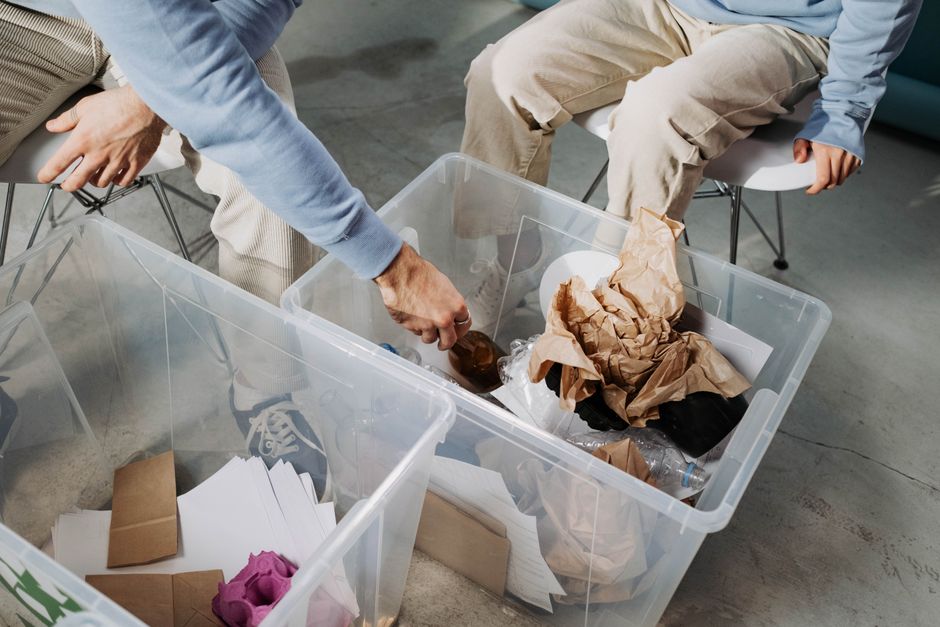
At its simplest, reuse-led disposal follows a short decision tree:
- Check whether the item is safe, clean, and structurally usable.
- Decide whether it can be reused as-is, repaired, or dismantled for parts.
- Choose the best route: donation, resale, collection, or reuse through a removal service.
- Only move to recycling or disposal if reuse is genuinely not suitable.
That's the tidy version. In real life, you'll often do a quick assessment before anything else. Is the item damaged beyond repair? Does it smell, wobble, or have broken frames? Is the fabric badly stained? For wooden furniture, are the joints still solid? These details matter because reuse only works when the next person can actually use the item without taking on a problem.
Many people in Camden choose a mixed approach. For example, a bedroom clear-out may include a wardrobe worth rehoming, a damaged bedside table for recycling, and some packaging or small bits for general waste. Not everything has to follow the same path. That flexibility is useful, and honestly, it keeps the job sane.
If you are using a removal service, a good one will help sort items into different streams rather than treating the whole lot as rubbish. Services such as furniture pick-up can be especially useful when you have bulky items but still want a reuse-first approach. For larger or more mixed clear-outs, broader removal services may be a better fit because they handle more than just one object type.
Key Benefits and Practical Advantages
Reuse options do more than reduce waste. They can make the entire clearance process easier to manage.
- Less waste: usable furniture stays in circulation instead of being discarded too early.
- Potentially lower disposal volume: fewer items heading to landfill or recycling streams.
- Better value: some items can be sold or donated instead of treated as waste.
- Less hassle: when items are sorted properly, the clearance feels more controlled.
- More flexibility: you can separate reusable, repairable, and non-reusable items.
- Cleaner reputation: handy for landlords, tenants, offices, and anyone trying to clear space responsibly.
There is also a less obvious advantage: reuse tends to force better decisions. You look more carefully at what you own, what is worth repairing, and what genuinely needs to go. That clarity is useful during a move, a renovation, or an office refresh. It stops the "just get rid of everything" spiral, which is very easy to fall into when time is tight.
For households, reuse can reduce the cost of replacing furniture. For businesses, it can support a tidier transition during refits or relocations. If you are managing an office shift, pairing furniture clearance with office removals can make the process less chaotic because you can plan reusable items separately from waste items.
Who This Is For and When It Makes Sense
This approach is useful for all sorts of Camden residents and organisations. It is not just for people doing a full house clear-out. In fact, the reuse-first option often makes the most sense for smaller jobs where one or two items can still be saved.
You may benefit from eco-friendly furniture disposal if you are:
- moving home and replacing part of your furniture set
- clearing a flat after a tenancy ends
- upgrading office furniture
- helping a relative downsize
- decluttering before a sale or refurbishment
- moving into a furnished property and no longer needing duplicate pieces
It also makes sense when items are still in decent condition but awkward to move. A heavy bookcase in a fourth-floor walk-up is a classic Camden problem. The item may be perfectly usable, but carrying it down the stairs is another story. That is where a planned pick-up, donation route, or removal team can help.
And if you are not sure whether furniture counts as reusable, ask yourself a simple question: would you be happy to hand this item to a friend? If the answer is no, then it may still be recyclable, but reuse might not be the right path.
Step-by-Step Guidance
Here is a straightforward way to handle furniture disposal with reuse in mind. Nothing fancy. Just a workable process.
- Sort every item. Separate furniture into three groups: reusable, repairable, and non-reusable.
- Inspect condition honestly. Look for broken frames, damp, pests, severe stains, missing parts, and general wear that would make reuse impractical.
- Clean what you can. A basic wipe-down, loose dust removal, and minor tightening can make a surprisingly big difference.
- Measure and photograph. If you want to donate or sell items, clear photos and rough dimensions help a lot.
- Choose the best route. Decide whether each item should be sold, donated, collected, repaired, reused internally, or recycled.
- Arrange transport carefully. Bulky items often need two people, protective blankets, and a vehicle that can handle them safely.
- Keep records if needed. For business clearances, it can help to note what was reused, moved, or recycled.
If a piece is only slightly damaged, repair can be the turning point. A loose hinge, missing drawer handle, or scratched top does not automatically make an item unusable. Sometimes a simple fix turns a "problem item" into something useful again. Not every chair is a lost cause. A bit of glue and patience can be surprisingly effective. Bit old-school, but it works.
For larger or awkward items, you may find a dedicated man with van service helpful because it gives you flexibility for collection, loading, and mixed-item clearances. If you are dealing with a full home move at the same time, home moves can be arranged in a way that keeps reusable items separate from true waste.
Expert Tips for Better Results
After enough clear-outs, a few habits stand out. They save time, and they stop avoidable mistakes.
Tip 1: decide reuse potential before moving anything heavy. It sounds obvious, but people often carry furniture all the way downstairs only to realise it should have been repaired or dismantled first. Check the item where it sits.
Tip 2: be realistic about condition. "Still sturdy" is not the same as "ready for someone else tomorrow." If a piece has a smell, major fabric wear, or visible instability, donation is unlikely to work.
Tip 3: dismantle only when it helps. Some furniture is easier to rehome whole. Other items are better broken down for transport or recycling. There is no medal for overcomplicating it.
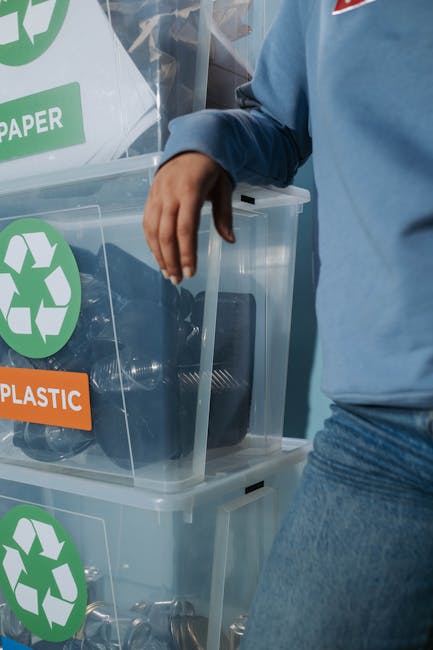
Tip 4: keep reusable pieces separate from everything else. A mix-up can turn a good item into a disposal headache. One pile for reuse, one for recycling, one for waste. Simple.
Tip 5: think about timing. If you are moving during a busy week in Camden, a collection window that fits around school runs, parking, or building access can save stress. The difference between a smooth collection and a messy one is often just timing.
One more thing: if furniture has sentimental value but you no longer need it, pause before rushing to get rid of it. Could someone else in the family use it? Could it be passed on rather than discarded? That tiny delay can avoid regret later.
Common Mistakes to Avoid
Most problems with eco-friendly furniture disposal are preventable. The main issue is usually rushing.
- Assuming everything can be donated. Donation centres and reuse channels still have standards. Damaged or unhygienic items often won't be accepted.
- Not checking for pests or contamination. This is especially important for mattresses, upholstered furniture, and storage pieces.
- Forgetting access issues. Camden streets, loading restrictions, and narrow entrances can turn a simple job into a delay.
- Leaving sorting until collection day. That is where time slips away.
- Mixing reusable items with damaged waste. Once they are mixed, the useful pieces can lose their reuse potential.
- Ignoring dismantling needs. Some items will not fit safely through hallways or stairs unless they are taken apart first.
A less obvious mistake is overestimating the value of convenience. Yes, the quickest route is tempting. But the fastest option is not always the cleanest, cheapest, or most responsible. A quick disposal can become expensive if it means paying to remove items that could have been reused or sold.
And yes, it happens all the time: people clear a room, dump everything in one pile, and then realise one good desk was hiding under a load of broken bits. Annoying. Completely avoidable, though.
Tools, Resources and Recommendations
You do not need specialist equipment for most reuse-focused clearances, but a few practical tools make life much easier.
- Measuring tape: useful for checking whether items will fit through doors, stairwells, or into a vehicle.
- Screwdrivers and hex keys: ideal for dismantling modular furniture safely.
- Gloves: handy when handling dusty, splintered, or sharp-edged pieces.
- Furniture blankets or moving pads: help protect reusable items during transport.
- Labels or tape: useful for marking items as reuse, repair, or recycle.
- Camera phone: essential for recording condition before collection or donation.
There are also service-side options worth considering. If you want a more coordinated approach, man and van removals can be a practical middle ground for smaller household clear-outs. For more general moving support, removals near me can be a useful starting point when you need local collection help rather than a full-scale move.
For ongoing sustainability information, the site's recycling and sustainability page is worth a look if you want a wider view of how reuse sits alongside recycling and responsible disposal.
Law, Compliance, Standards, or Best Practice
Furniture disposal in the UK is not something to take casually. Even when you are focused on reuse, basic care and lawful handling still matter. The main principle is straightforward: make sure items are passed on responsibly and do not create a nuisance, hazard, or illegal dumping issue.
For householders, the big best-practice points are simple: do not leave furniture on the street without the correct arrangement, and do not assume someone else will take care of it. For landlords, letting agents, and businesses, it is even more important to document what is being cleared, what is being reused, and what is being removed as waste. That extra bit of organisation protects everyone involved.
If you are unsure whether an item is suitable for reuse, err on the side of honesty. Furniture that is damaged, contaminated, or unsafe should not be pushed into a reuse route just because it feels greener. Reuse only works when the next person gets something genuinely useful.
In practical terms, good compliance often looks like this:
- items are sorted before removal
- reusable furniture is kept separate from waste
- transport is carried out safely
- access and loading are planned in advance
- items are not abandoned or fly-tipped
If you are handling a commercial clearance, it is sensible to choose a provider that can explain how it manages furniture condition, transport safety, and recycling routes. For businesses, the insurance and safety information can help reassure you that items are being handled with proper care.
Options, Methods, or Comparison Table
Choosing the right reuse route often depends on the condition of the item, how quickly you need it gone, and how much effort you want to put in. Here is a simple comparison to help.
| Option | Best for | Pros | Limitations |
|---|---|---|---|
| Donation or passing on | Usable furniture in good condition | Supports reuse, simple if accepted, keeps items in circulation | Not all items qualify; collection or drop-off may take planning |
| Resale | Good-quality furniture with market value | Can recover some money, extends item life | Takes time, photos, messages, and collection arrangements |
| Reuse through a removal service | Bulky items, mixed clear-outs, awkward access | Convenient, coordinated, less lifting for you | May cost more than doing everything yourself |
| Repair then reuse | Structurally sound items with minor faults | Saves furniture that might otherwise be discarded | Needs time, tools, or a decent repair skillset |
| Recycling | Items no longer fit for reuse | Better than landfill for suitable materials | Not all furniture can be fully recycled |
The best option is not always the one that sounds greenest at first glance. Sometimes a repair-and-reuse route is ideal. Other times, a quick donation is the best outcome. And sometimes the item really is beyond saving - no shame in that.
Case Study or Real-World Example
Here's a realistic Camden-style example. A tenant in a small flat near a busy road is moving out and replacing most of their bedroom set. The wardrobe is solid but dated, the chest of drawers is fine apart from a loose handle, and the bed frame is damaged at one corner after years of use. There is also an old desk with water marks from a long-ago coffee spill - we've all been there.
The best approach in that situation is not one-size-fits-all. The wardrobe can be cleaned and offered for reuse if dimensions and condition suit. The chest of drawers can be repaired quickly, which gives it a much better chance of being passed on. The bed frame may need dismantling and recycling if the damage affects stability. The desk, depending on the severity of the marking, could still be reused if the surface is sound, or recycled if the damage is too far gone.
That split approach is what eco-friendly furniture disposal in Camden: reuse options is really about. Not every piece gets the same ending. Some items are rescued. Some are repurposed. Some are recycled. A few are honestly just done.
In a similar clear-out, the practical challenge is often access, not the furniture itself. Narrow hallways, shared entrances, parked cars, and limited loading space can slow things down more than the actual lifting. Planning the route first can save a lot of friction. Small detail, big difference.
Practical Checklist
Use this before arranging furniture disposal or collection:
- Have I checked whether the item is reusable, repairable, or not suitable for reuse?
- Is the furniture clean enough to pass on safely?
- Are there broken parts, pests, damp, or major damage?
- Have I measured the item and the access route?
- Have I taken photos if I want to donate or sell it?
- Do I need to dismantle anything before moving it?
- Are reusable items kept separate from waste items?
- Have I chosen the right transport or collection method?
- Do I know where each item is going?
- Have I considered whether a professional pick-up would save time and effort?
Quick takeaway: the cleaner the sort, the easier the reuse. That one simple habit saves time more often than people think.
Conclusion
Eco-friendly furniture disposal in Camden: reuse options are not just a nice idea. They are the most sensible way to handle furniture that still has value, usefulness, or repair potential. When you start with reuse, you reduce waste, keep useful items moving, and make the whole clearance feel more organised.
Whether you are moving home, clearing a rental, or making space for new furniture, the same rule applies: look for the best next life for each item before you write it off. That approach is more practical than it sounds, and often far less stressful than a last-minute throw-it-all-out decision.
If you need a hand with bulky items, mixed loads, or awkward access, it helps to have a team that can sort, lift, and move furniture with reuse in mind. A thoughtful clearance is usually the calmest one.
Get a free quote today and see how much you can save.
And if you do manage to give an old piece of furniture a second life, well, that's a small win worth keeping.
Frequently Asked Questions
What counts as reusable furniture?
Reusable furniture is any item that is still structurally sound, safe, and clean enough for someone else to use without major repair. Minor wear is usually fine, but broken frames, strong odours, pests, or heavy damage often rule reuse out.
Can I donate furniture that has small cosmetic damage?
Sometimes, yes. Small scratches or minor marks may be acceptable if the item is otherwise sturdy and presentable. The key question is whether a donation recipient would realistically want it in their home or workspace.
Is furniture reuse better than recycling?
Usually, yes. Reuse keeps the item in service for longer and avoids the energy and handling involved in processing materials. Recycling is still useful when reuse is not possible, but it comes after reuse in the waste hierarchy.
How do I know if my sofa is suitable for reuse?
Check the frame, cushions, upholstery, smell, and overall cleanliness. If the sofa is stable, not badly stained, and free from obvious contamination, it may be suitable. If there are signs of pests or serious damage, reuse is unlikely to be appropriate.
What if I do not have a vehicle to move furniture myself?
That is very common in Camden. A removal or man-and-van service can help collect bulky items and keep the process manageable. It is often the simplest option when stairs, parking, or size make self-transport awkward.
Can I leave furniture on the pavement for someone to take?
Only if it is properly arranged and lawful to do so. Otherwise, it can create a nuisance or be treated as fly-tipping. It is safer to arrange a proper collection or handover than to rely on passers-by.
Is it worth repairing old furniture before disposal?
Yes, if the repair is minor and the item is otherwise good. Tightening joints, replacing handles, or fixing a loose hinge can turn something borderline into a usable piece again. If the repair is major, compare the effort and cost carefully.
How can I prepare furniture for reuse?
Clean it, tighten loose fittings, remove personal items, measure it, and photograph it clearly. If you are donating or reselling, a bit of presentation goes a long way. People are much more likely to accept a well-kept item.
What should I do with furniture that cannot be reused?
If it cannot be reused, the next best option is recycling where possible. Items with mixed materials may need to be broken down or handled through a removal service that can sort them appropriately.
Does reuse work for office furniture too?
Absolutely. Desks, chairs, storage units, and tables often have a second life in another workspace. For businesses, reuse can be especially useful during office changes because it reduces waste and keeps the move more orderly.
How quickly can reusable furniture be collected?
That depends on the provider, access, and item type. Smaller collections can sometimes be arranged quickly, while larger clear-outs or mixed loads may need more planning. Booking early usually gives you better options.
What is the biggest mistake people make with furniture disposal?
Rushing the process and putting everything into one pile. It sounds harmless, but it often means reusable items are lost, repairable pieces are ignored, and the whole job becomes more expensive or wasteful than necessary.